
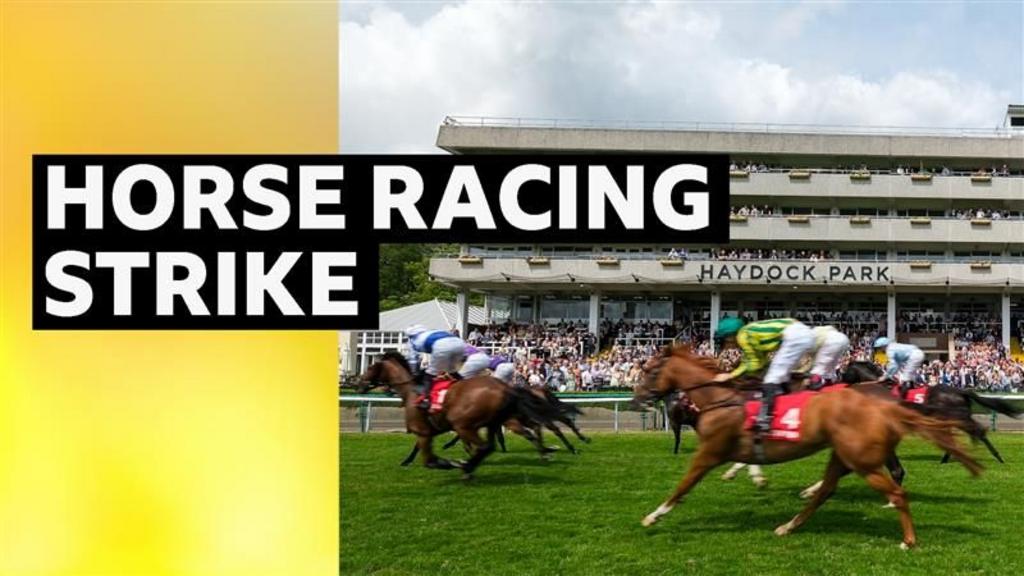
The Current Landscape of UK Horse Racing: An Exploration of ‘Not On’
As the vibrant world of UK horse racing takes a pause, enthusiasts and casual fans alike find themselves pondering the implications of this hiatus on an industry that has long been a cultural cornerstone. The stunning sights of racecourses, the thrill of the races, and the roars of the crowds are all temporarily silenced. The absence of these events brings a unique opportunity to explore the broader landscape of horse racing, its significance, and the potential alternatives available to fans. In the midst of this, organizations like UK horse racing not on GamStop Merseyside Mounted continue to celebrate the bond between horse and rider beyond the racetrack, showcasing the importance of equestrian activities in community life.

The Cultural Significance of Horse Racing in the UK
Horse racing has been an intrinsic part of British culture for centuries. From the grandeur of the Royal Ascot to the excitement of the Grand National, these events draw thousands of spectators from all walks of life. With each race, a tapestry of social interaction, betting activity, and local pride is woven together. The impact of these events stretches far beyond entertainment; they contribute significantly to the economy through tourism, employment, and local business support.
The Economic Impact of Racing Halt
The horse racing industry is a substantial economic driver, generating billions for the UK economy each year. When events are not on, the implications are profound. Retailers, hospitality venues, and event planners immediately feel the financial repercussions. The absence of major racing events leads to a significant reduction in foot traffic and revenue for local businesses that thrive on the influx of racegoers.
Loss of Revenue Streams
Many communities depend on the economic activity generated by horse racing. The hotels and restaurants in proximity to racecourses often report a heavy loss in bookings due t

o the absence of these key events. Furthermore, suppliers of goods and services associated with racing—from food vendors to hospitality staff—face uncertain futures as demand plummets.
Community Connections and Alternative Activities
While horse racing events may be temporarily suspended, the spirit of equestrian culture remains strong. Local riding schools, equestrian clubs, and organizations keep the passion alive by offering alternative activities and education. These establishments provide opportunities for the community to engage with horses, enhancing skills and promoting teamwork and discipline.
Equestrian Education and Local Events
Many riding schools offer courses that cater to both novice and experienced riders. These sessions are designed to teach horsemanship, improve riding techniques, and foster a deeper understanding of equine care. Community events like pony shows, dressage competitions, and show jumping also allow enthusiasts to come together, fostering a tight-knit community while keeping the love for horses alive.
The Future of Horse Racing in the UK
The future of horse racing, while somewhat uncertain during times of pause, offers opportunities for innovation and adaptation. The industry has begun to explore virtual racing as a way to engage fans, providing an alternative racing experience that upholds the excitement of traditional events. This digital shift not only ensures that the racing community stays connected but also opens doors for a new audience to discover the sport.
Virtual Racing and the New Era of Engagement
Virtual racing events have gained traction as technology continues to evolve. Online platforms allow fans to participate in simulated races based on real-world statistics and performances. This development creates new revenue streams for the industry and offers fans a chance to interact with the sport from the comfort of their homes. The potential for virtual reality experiences also looms on the horizon, merging gaming with genuine horse racing culture.
Conclusion: Resilience in the Face of Adversity
As the UK horse racing community navigates these challenging times, the resilience of its members shines through. While events may be ‘not on’, the passion for horses and racing endures, supported by a rich tapestry of alternative activities and community engagement. The temporary pause offers an opportunity to reflect on the cultural significance and economic impact of horse racing. As we look toward the future, the industry will undoubtedly adapt and evolve, continuing to inspire generations of fans and participants alike. The love for the sport, the horses, and the lifestyle it cultivates will transcend any temporary silence, paving the way for a robust comeback when the time is right.