

Avantgarde art has always intrigued audiences and inspired artists around the globe. Born in the early 20th century, this style challenged the traditional norms of artistic expression and redefined the boundaries of creativity. Not only does it seek to break with conventional artistic norms, but it also aims to provoke thought and inspire change. As we explore the essence of Avantgarde, we’ll delve into its historical context, key figures, and how this movement continues to influence modern culture, even in unexpected arenas such as online platforms like Avantgarde https://avantgarde-online-casino.com/.
Understanding Avantgarde
The term “Avantgarde” originates from the French word meaning “advance guard” or “vanguard.” This concept signifies individuals or works that introduce innovative ideas and practices ahead of their time. In art, this translates to a movement that espouses radical ideas and embraces unorthodox styles. Avantgarde artists often relinquish traditional methods and materials, opting instead for forms that speak to the contemporary socio-political climate.
Historical Context
The Avantgarde movement emerged in the early 20th century, flourishing through various art forms, including visual arts, literature, theater, and music. This period, coinciding with World War I, saw widespread disillusionment with traditional values and societal norms. Artists began to grapple with themes of identity, existence, and the human condition, catalyzing a shift towards experimentation and innovation in their creative endeavors.
The Birth of Avantgarde Movements
Several key movements became synonymous with the Avantgarde ethos, each influenced by the cultural and political upheavals of the time. Dada, for instance, was a reaction against the devastation of the war, while Surrealism aimed to unleash the creative potential of the unconscious mind. Other movements, such as Futurism and Constructivism, emphasized dynamism, technology, and social revolution. Together, these movements laid the groundwork for the Avantgarde legacy, where art became a medium for social critique and humanist expression.

Key Figures in Avantgarde Art
Several artists stand out as pioneers within the Avantgarde movement. Marcel Duchamp is often credited with challenging the conventional understanding of what art could be. His readymades, notably “Fountain,” provoked critical debates about artistic value and intent. Similarly, Salvador Dalí’s surrealist works called viewers to explore the boundaries of reality and dreams, creating a narrative that engaged both the conscious and the unconscious.
Other prominent figures include Piet Mondrian, who sought to explore pure form through abstraction, and Kazimir Malevich, whose concepts of Suprematism emphasized the spiritual and emotional aspects of art. Each of these artists contributed uniquely to the fabric of Avantgarde, forging paths that would influence not only their contemporaries but also future generations.
Characteristics of Avantgarde Art
Avantgarde art is marked by its rejection of traditional aesthetics and a penchant for experimentation. Its characteristics can be observed through various features, such as:
- Innovation: The desire to push the boundaries of creativity, using unconventional materials and techniques.
- Provocation: Avantgarde artists often aim to provoke thought, reaction, and, at times, outrage from their audiences. This intention challenges viewers to reconsider societal norms and understandings.
- Diversity: The movement transcends a single style or technique, embracing a multitude of forms, including abstract, geometric, and conceptual art.
- Interdisciplinary Approach: Avantgarde artists frequently blurred the lines between different art forms, combining visual art with literature, theater, and performance.
- Engagement with Contemporary Issues: Reflecting the socio-political climate, Avantgarde art engages with relevant issues of its time, such as war, identity, and technology.
The Legacy of Avantgarde Art
The legacy of the Avantgarde movement extends far beyond its initial manifestations. Its principles continue to permeate modern artistic practices, influencing a diverse range of artists today. From conceptual art to multimedia installations, contemporary artistic expression often draws from the tenets established by the Avantgarde pioneers. Furthermore, the movement’s spirit of experimentation has encouraged countless individuals to engage with art as a form of personal expression.
Avantgarde in Contemporary Culture
Today, the ideas encapsulated within Avantgarde can be observed across various mediums, from visual arts to digital platforms. The rise of social media and online content creation mirrors the Avantgarde ethos of challenging norms and advocating for self-expression. The exploration of identity and representation seen in platforms like Instagram echoes the challenges to societal standards posed by early Avantgarde artists.
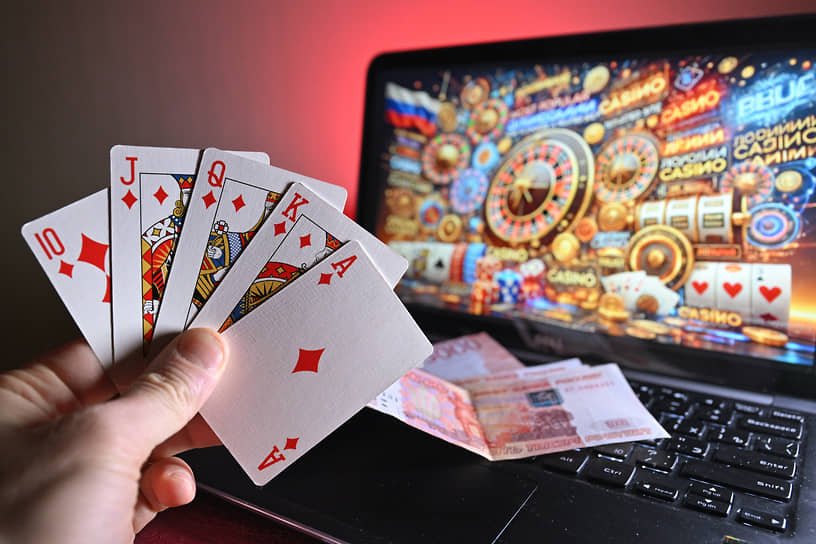
Additionally, unique expressions of Avantgarde can be found in unexpected spheres, such as gaming and online forums. As a case in point, the incorporation of Avantgarde aesthetics in game design not only reshapes player engagement but also alters preconceived notions of artistic merit in digital realms. Online platforms that blend artistic expression with entertainment, such as https://avantgarde-online-casino.com/, highlight this convergence of art and technology, creating spaces where the spirit of experimentation thrives.
Conclusion
The Avantgarde movement stands as a cornerstone in the evolution of modern art, propelling society towards a deeper understanding of creativity, expression, and the role of art in influencing change. As we continue to explore this ever-evolving landscape, the lessons gleaned from the Avantgarde urge artists and audiences alike to embrace innovation, challenge conventions, and foster dialogue within the creative realm. Through this enduring legacy, Avantgarde art remains a vital force in envisioning the future of artistic expression.